
My Anti–Brain Rot Syllabus (And How You Can Make Your Own)
A back-to-school-style guide for adults looking to feel something real again.

Well, hello Substack friends — it’s been a minute!
Back in early summer, ICE raids happened just down the street from my apartment. After that, writing about marketing and culture felt hollow. I let the weeks pass, and when I finally left the city for a family reunion in Hawaii, it felt like stepping out of one reality and into another.
In Hawaii, I traded doomscrolling for swimming with sea turtles and dolphins. It reminded me how rare it can feel to experience something real that’s not algorithmically curated. It was the first time in months I felt my brain rot lifting.
Per Oxford Dictionary, brain rot is defined as “the supposed deterioration of a person’s mental or intellectual state, especially viewed as the result of overconsumption of material (now particularly online content) considered to be trivial or unchallenging.” Oxford even named “brain rot” its 2024 Word of the Year after usage spiked 230% in just twelve months.
I’ve noticed the discourse about what algorithms and AI are doing to us getting noticeably louder and more concerned. But since coming home, I’ve been noticing something on my social media feeds (of all places): other burnt-out folks are swapping endless scrolling for IRL hobbies, learning new skills, and anything that stretches their mind. There is a very clear “anti-brain rot” campaign happening and the message is clear - our attention is currency, and we need to take it back.
I’m not here to add to the noise as to what the potential societal consequences are. Instead, I want to spotlight the ways people are combatting it and share a few that have worked for me.
In the spirit of fall and back-to-school season, I’ve built this around an academic theme. Nothing too serious, just some electives for your overstimulated brain. Enjoy!

1) The Monthly Curriculum
Like homework, but make it fun
What it is: Pick a topic or skill you want to focus on for the month, then design your own “syllabus” with books, movies, articles, and activities.
Why it helps: Gives your attention purpose and direction instead of letting the algorithm decide for you.
I first saw this idea from TikTok creator Elizabeth Jean, and it’s exactly the kind of structure my brain craves when it’s feeling scattered. The joy of a monthly curriculum is that it’s entirely yours – curated by you!
You can make it as academic or as playful as you want. Lately, I’ve been deep-diving into people pleasing as a social construct through Are You Mad At Me? by Meg Josephson. But October could just as easily be “Horror Film Month,” complete with a self-assigned watchlist. It’s structured enough to feel intentional, but flexible enough to still feel like a treat.
Inspiration:
Michelle Dufflocq, “A Case For a Monthly Curriculum”: An eloquent argument on why this concept is so valuable. I couldn’t have put it better myself so I’m linking her article here & included her suggestions below.
Postcards by Elle (How to Get Smart Again Series): An ongoing syllabus for curiosity. Mentioned by Michelle.
Lit Girl: A quarterly themed syllabi with books, movies, and playlists. Mentioned by Michelle.
Instead of Doomscrolling: A digital oasis away from endless algorithm-driven feeds.
2) Hobby Recess
Your brain’s favorite elective
What it is: Tactile, time-intensive hobbies that make scrolling physically impossible.
Why it helps: Keeps your hands busy, your brain engaged, and your attention off the feed.
Lately, my feed has been full of people taking up tactile, time-intensive hobbies. Things that don’t translate well to a quick video but feel deeply satisfying IRL.
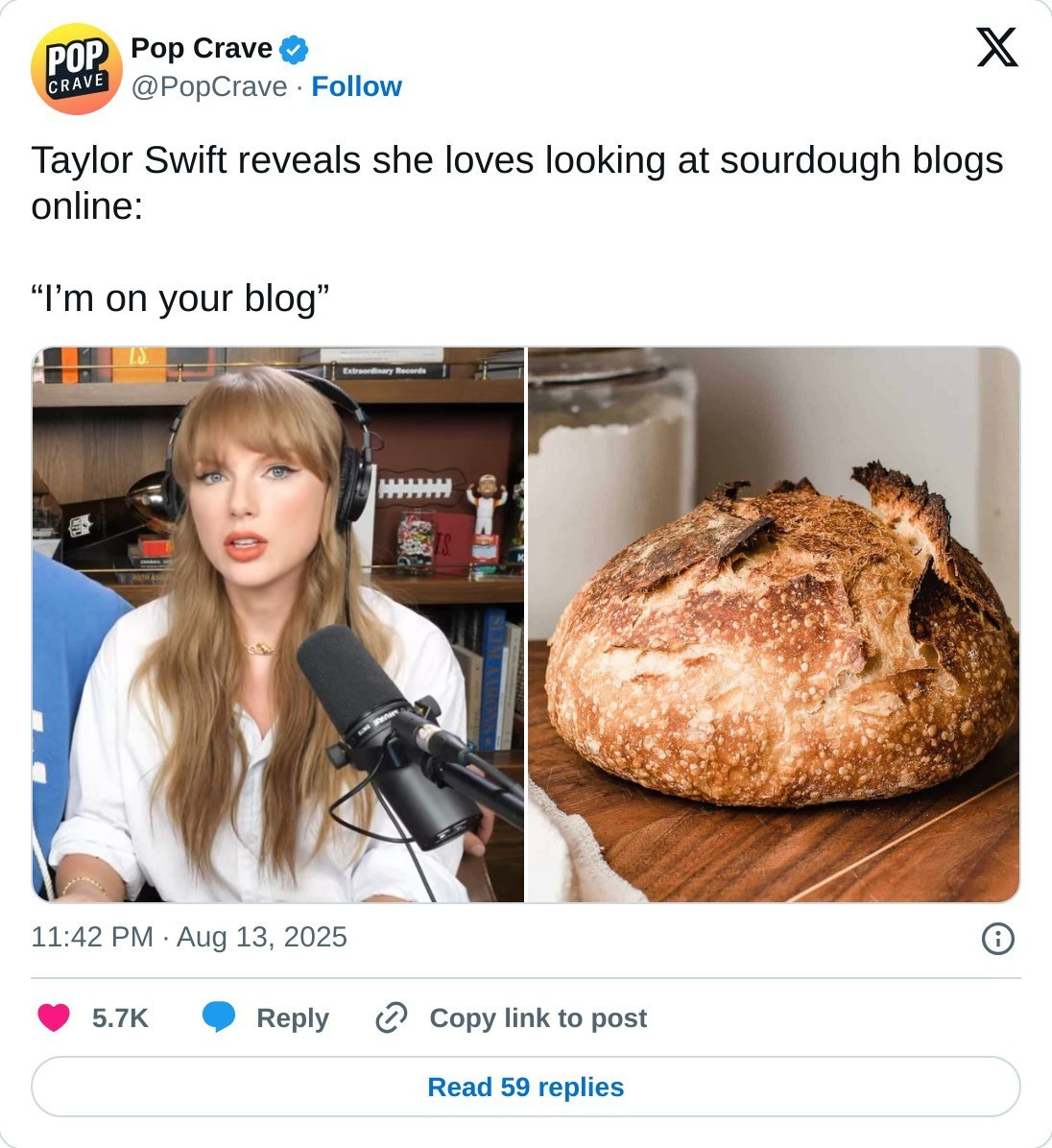
Taylor Swift even recently proclaimed her love for her “granny shit” hobbies such as her sourdough baking obsession on the New Heights podcast, which might be the highest endorsement sourdough has ever had.
Ideas:
Photography: I’ve been learning photography basics through my FujiFilm camera, which forces me to slow down and actually think about lighting and composition.
Baking: I’m partial to Sally’s Baking Addiction for beginner-friendly recipes. I love baking because it’s something you can share with people, and I think it feels extra special when you make something for someone.
Adult coloring: My favorite gloomy-day activity. There’s something meditative about coloring in a page while listening to a podcast. Barnes & Noble has a great curation.
Watercolor painting: A step above adult coloring. I was always been intimidated by the concept, but these Emily Lex workbooks are great and make it super beginner-friendly. My kit is always a mess but that’s half the fun!
Start a Substack: There’s nothing more grounding than building your own little corner of the internet. Take it from me :)
3) Field Trips for Adults
A mini-vacation for your overstimulated brain
What it is: Plan small, intentional excursions (solo or with friends) to explore something new in your city or nearby.
Why it helps: Novelty stimulates your brain, boosts mood, and breaks you out of the autopilot loop that scrolling often creates.
One of the best ways I’ve found to shake off brain rot is to physically change my surroundings. Last week, I went to the Getty Museum and a park poetry session with a couple friends. Between the architecture, the views of Los Angeles, and the glass of wine we treated ourselves to afterward, it felt like a mini vacation without leaving the city.
The beauty of field trips is that they don’t have to be elaborate or expensive. The point is to create a little pocket of newness. It could be a museum you’ve never visited, a neighborhood you’ve never walked through, or a park you’ve driven past a hundred times but never explored.
Ideas:
Themed food tours in new neighborhoods
Museums, gallery openings, botanical gardens.
Day trips to nearby towns or scenic spots.
4) Book Fair
Like the Scholastic Book Fairs we loved as kids, but grown-up
What it is: An offline, sensory way to consume stories; browsing physical books in a bookstore or library, swapping favorites with friends, or joining a book club.
Why it helps: Replaces rapid-fire, shallow content with slower, richer narratives that give your brain time to sink in and think.
Ideas:
Visit a local, independently owned bookstore and spend time in their curated selections. You’ll get personalized recs from people who actually love books. Think of it like BookTok, but IRL!
Download the Libby App, which is a digital library app where you can borrow ebooks for your Kindle / phone for free.
5) Extra Credit Opportunity
Level up your anti–brain rot syllabus.
What it is:Engage with the world beyond your phone screen. Volunteer. Join a local group. Show up for your neighborhood. Find a cause you care about and contribute your time or talent, no matter how small.
Why it helps: It turns passive doomscrolling into active connection. The more plugged in you feel to your community, the less power those gut-punch headlines hold. You can't fix everything but you can make one thing better.
Over the weekend, I volunteered for Altadena Girls’ Back to School event by helping girls “shop” for clothes, journals, and makeup supplies. Our town is still recovering from the January fires, and this event reminded me how energizing it is to do something. There’s nothing more healing than cheering someone else on IRL.
Ideas:
Use VolunteerMatch / Idealist to find opportunities
Ask your friends what causes they’re involved in. Better yet, volunteer WITH your friends. It makes volunteering so much more fun!
The Bottom Line
You don’t need a total overhaul to feel better, just a few small practices that make you feel more like yourself. Step away from the algorithm. Let your curiosity stretch its legs. Learn something. Make something. Go somewhere.
Because the more we choose presence over passivity, the more we remember that our minds weren’t made to scroll endlessly. They were made to wonder, wander, and build.
And that future? It’s still ours to shape.
Loved this and really needed something like this to be more intentional about my offscreen time!